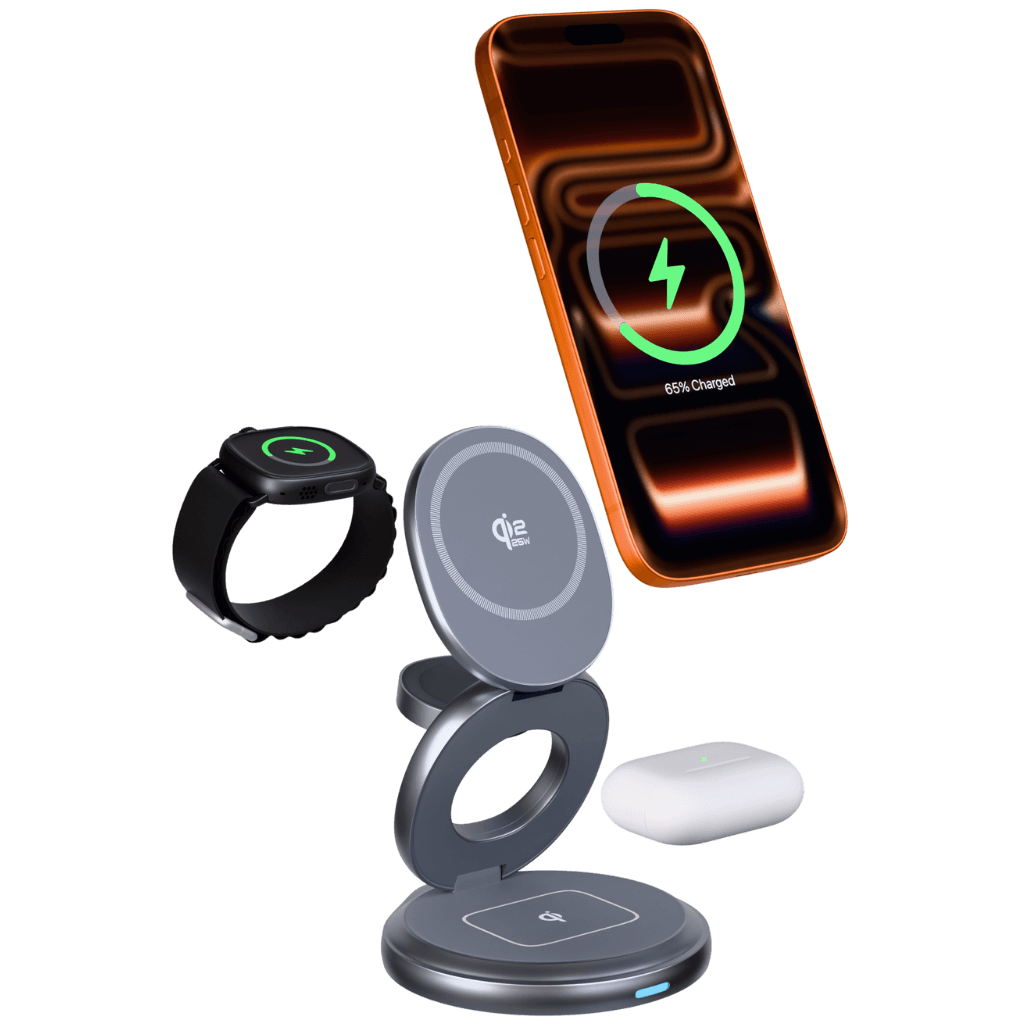
The Science Behind Wireless Charging: How Does It Really Work?
Wireless charging is a revolutionary technology that allows devices to be charged without the need for physical cables. At its core, the science behind wireless charging relies on electromagnetic induction. This process involves two coils: a transmitter coil in the charging pad and a receiver coil in the device being charged. When the charger is plugged in, electricity flows through the transmitter coil, creating a magnetic field. This magnetic field induces an electric current in the receiver coil of the device, which is then converted back into electrical energy to charge the battery. Understanding this basic principle is essential for anyone curious about how wireless charging really works.
There are two main technologies used in wireless charging: Qi and Resonant Inductive. Qi is the most widely adopted standard, primarily used in smartphones and small electronics, providing efficient energy transfer over short distances. In contrast, Resonant Inductive charging allows for greater flexibility, enabling charging at a distance of several centimeters, which means users can place their devices on or near the charging pad without precise alignment. As the technology continues to evolve, innovations in wireless charging promise to enhance convenience and efficiency, making it an increasingly integral part of our daily lives.
Counter-Strike is a popular multiplayer first-person shooter that has become a staple in competitive gaming. Players are divided into two teams, terrorists and counter-terrorists, each with specific objectives such as planting a bomb or rescuing hostages. The game’s strategic depth and emphasis on teamwork make it a thrilling experience for both players and spectators. If you're looking to upgrade your gaming gear, check out the Top 10 iphone slim cases to keep your devices protected while you immerse yourself in the action.
Top 5 Benefits of Switching to Wireless Charging
As technology continues to evolve, wireless charging has become a popular alternative to traditional charging methods. One major benefit of switching to wireless charging is the convenience it offers. With wireless chargers, you simply place your device on the charging pad, eliminating the need for tangled cords and the hassle of plugging and unplugging your charger. This not only saves time but also seamlessly integrates into your daily routine, making charging more accessible and user-friendly.
Another significant advantage of wireless charging is its durability. Traditional charging cables can wear out or become damaged over time, leading to inefficient charging or complete failure. Wireless charging mitigates this issue by reducing wear and tear on charging ports, prolonging the lifespan of your device. Additionally, many wireless chargers are designed with built-in safety features to prevent overheating, providing an extra layer of protection for your device. These benefits make switching to wireless charging a practical choice for tech-savvy individuals.
Is Wireless Charging Safe for Your Devices?
When considering the safety of wireless charging for your devices, it's essential to understand the technology behind it. Wireless charging, or inductive charging, utilizes electromagnetic fields to transfer energy between two coils—one in the charging pad and another in the device. This method of charging is generally safe and efficient, provided that you use quality chargers and devices that meet **safety standards**. Using unreliable or incompatible chargers can pose risks, including overheating and potential damage to your device.
In addition to device compatibility, there are a few precautions to keep in mind to ensure safety. Always check for certifications from reputable organizations such as Qi or WPC, which indicate a certain level of quality and safety. Moreover, it's advisable to avoid charging your device in extreme temperatures or while using cases that might trap heat, as it can affect the charging process and potentially harm your device. Overall, when used correctly, wireless charging is safe and offers the convenience of eliminating tangled cords.