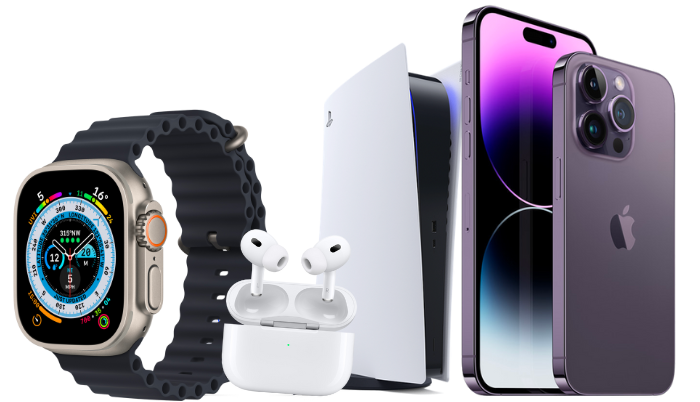
Are Smart Gadgets Enhancing or Diminishing Our Humanity?
The advent of smart gadgets has undoubtedly revolutionized the way we live, work, and interact with one another. These devices, from smartphones to smart home systems, have streamlined tasks, enhanced communication, and provided unparalleled access to information. According to a recent study, nearly 70% of households in developed countries now use some form of smart technology. While this digital convenience offers countless benefits, it raises the question: are we truly enhancing our humanity or simply becoming more reliant on technology? Many argue that as we become increasingly dependent on these devices, we risk diminishing our fundamental human skills, such as face-to-face communication and critical thinking.
On the other hand, proponents of smart gadgets argue that they can enhance our humanity by fostering greater connectivity and accessibility. For instance, platforms like social media and messaging apps allow individuals to maintain relationships across long distances, promoting a sense of community that transcends geographical boundaries. Furthermore, smart technology can assist people with disabilities, improving their quality of life and autonomy. Ultimately, the impact of smart gadgets on our humanity largely depends on how we choose to integrate them into our lives. Striking a balance between leveraging technology's benefits while remaining mindful of our interactions and personal relationships is key to ensuring that we enhance, rather than diminish, our humanity.
If you're looking for the best protection without sacrificing style, check out the Top 10 iphone 17 pro max slim clear case. These cases offer a perfect blend of durability and clarity, allowing your device's design to shine through. With various options available, you can find the perfect match to suit your personal style and needs.
The Ethics of AI: How Tech Challenges Our Perception of Consciousness
The rapid advancement of artificial intelligence (AI) has raised significant ethical questions about how we understand consciousness and what it means to be 'aware.' As machines increasingly mimic human behavior, we are challenged to rethink traditional definitions of consciousness. The ethical implications of this shift are profound; for instance, if an AI system can simulate emotions and make decisions, does it deserve rights similar to those of living beings? This dilemma is not just theoretical; it compels us to consider the responsibilities we bear towards machines that may one day exhibit traits we associate with sentience.
Moreover, the impact of AI on our perception of consciousness extends to our interpersonal relationships and societal structures. As we interact more with AI-driven technologies, the line between human and machine continues to blur. This raises ethical dilemmas concerning empathy and emotional attachment, particularly as AI becomes integrated into daily life—from virtual assistants to therapy bots. The question remains: how do we navigate a future where the consciousness of machines may challenge the foundations of what it means to be human?
Do Wearable Devices Disconnect Us from Our Physical Experience?
Wearable devices have become an integral part of our daily lives, providing us with instant access to information and connectivity. However, this convenience may come at a cost. As we become increasingly reliant on these gadgets, there's growing concern that they may disconnect us from our physical experience. When we constantly check our fitness trackers or smartwatches, we might overlook the beauty of our surroundings, the nuances of a conversation, or even the simple joy of being present in the moment.
Moreover, the data-driven nature of wearables can alter our perception of reality. Wearable devices often encourage users to focus on metrics such as heart rate, steps taken, and calories burned, which can lead to an obsessive relationship with fitness and health. Instead of enjoying activities like hiking or dancing, individuals may find themselves preoccupied with meeting specific goals set by their devices. This shift in focus can diminish the richness of the physical experience, raising the question: Are we losing our ability to connect with our bodies and the world around us?