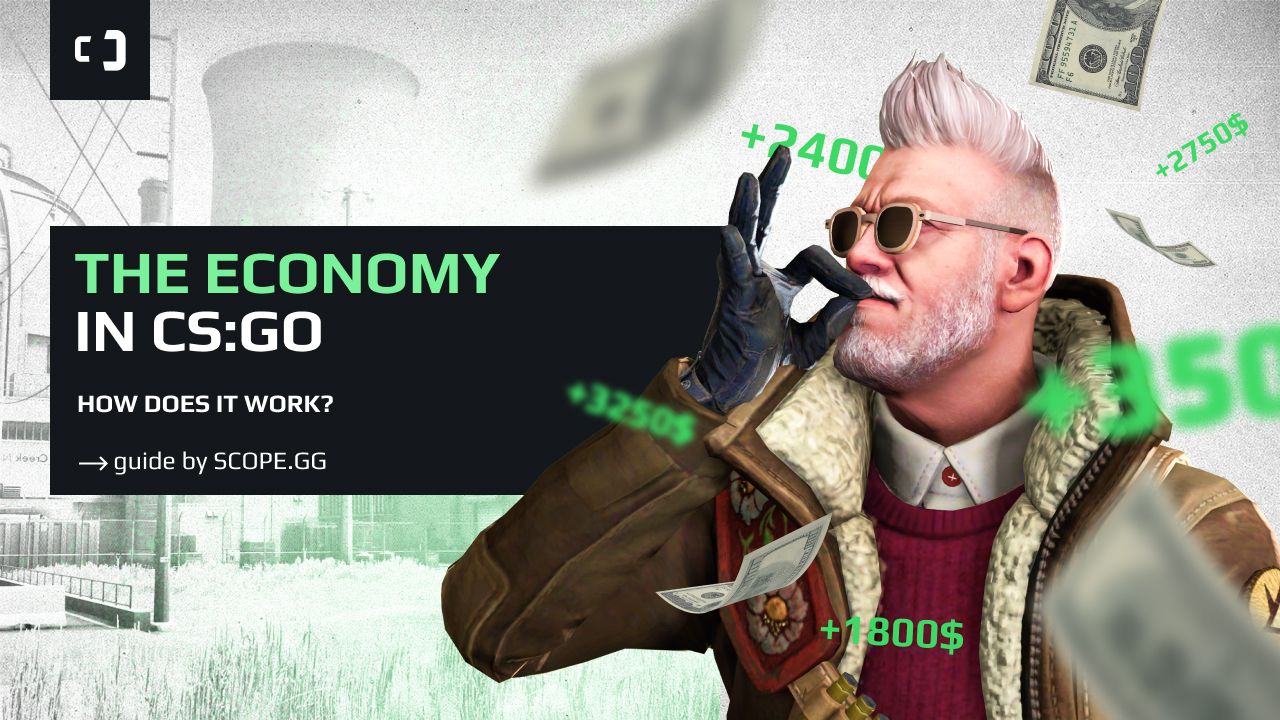
Mastering the CS2 Economy: Tips for Maximizing Your Cash Flow
Mastering the CS2 economy is crucial for any player seeking to enhance their gameplay experience and achieve victory. Understanding how to manage your cash flow effectively can significantly impact your team's performance. Here are some key tips:
- Prioritize Your Purchases: Always invest in weapons and equipment that suit your role in the team. Avoid unnecessary spends on high-cost items unless they provide a strategic advantage.
- Save Rounds: Occasionally opting for a save round can boost your economy in the long run. By holding off on expenses for one round, you can ensure that you have sufficient funds for vital purchases in subsequent rounds.
Another essential aspect of mastering the CS2 economy is understanding the impact of round wins and losses. With each victory, your team gains cash, but losses can also affect your overall budget. Consider the following:
- Communicate with Your Team: Coordinate your strategy with teammates to maximize cash flow. Sharing resources or choosing when to force buy can help mitigate financial losses.
- Map Control and Risk Assessment: Evaluate the map and your current situation before spending. Knowing when to gamble on a less favorable round can sometimes pay off, but understanding the risks involved is key to maintaining a healthy economy.
Counter-Strike is a popular team-based first-person shooter that has captivated gamers around the world. One of its many highlights includes the 2018 nuke collection, which features a variety of unique skins and weapons that players can acquire. With its competitive gameplay and vibrant community, Counter-Strike continues to be a mainstay in the gaming industry.
The Ultimate Guide to Tactical Spending in CS2: What to Buy and When
In Counter-Strike 2 (CS2), mastering the art of tactical spending can often be the difference between victory and defeat. Understanding what to buy and when requires careful consideration of your team's economy, the state of the match, and the objectives at hand. A well-timed purchase can give your team a significant edge, while an ill-timed one can leave you vulnerable. Here’s a brief breakdown of key purchasing strategies:
- Prioritize rifles over SMGs in eco rounds.
- Consider saving for the next round if your team's economy is weak.
- Invest in utility (grenades) to control areas effectively.
Effective tactical spending in CS2 also means adjusting your purchases based on your team's performance and the opposing team's economy. For instance, if the enemy is low on funds, purchasing armor and heavy weaponry can apply pressure and dictate the flow of the game. Always communicate with your teammates to ensure you are making aligned decisions about buying and saving. Remember: the key to success in CS2 lies not just in skill but also in your economic strategy. Make every credit count!
Common CS2 Economic Mistakes and How to Avoid Them
In the world of CS2, understanding the economic system is crucial for success. Many players make the common mistake of spending their in-game currency recklessly, leading to poor financial management. Common CS2 economic mistakes include over-investing in weapons before a round without considering the team’s overall strategy or failing to save enough funds for crucial rounds. To avoid these pitfalls, always prioritize team economy and maintain a balanced spending strategy. Communication with teammates about financial status can also foster better decision-making, ensuring everyone is on the same page when it comes to purchasing equipment.
Another prevalent mistake is not adjusting the economic strategy based on gameplay dynamics. For instance, some players neglect to adapt their purchases based on the opposing team's performance. If you notice the enemy team is accumulating a significant lead in funds, it may be time to save up for better equipment or change your positioning to counter their play style effectively. Remember, learning to adapt your economic decisions is key to maintaining a competitive edge in CS2. Regular analysis of your team's economic flow can help identify trends and foster informed decisions against opponents.