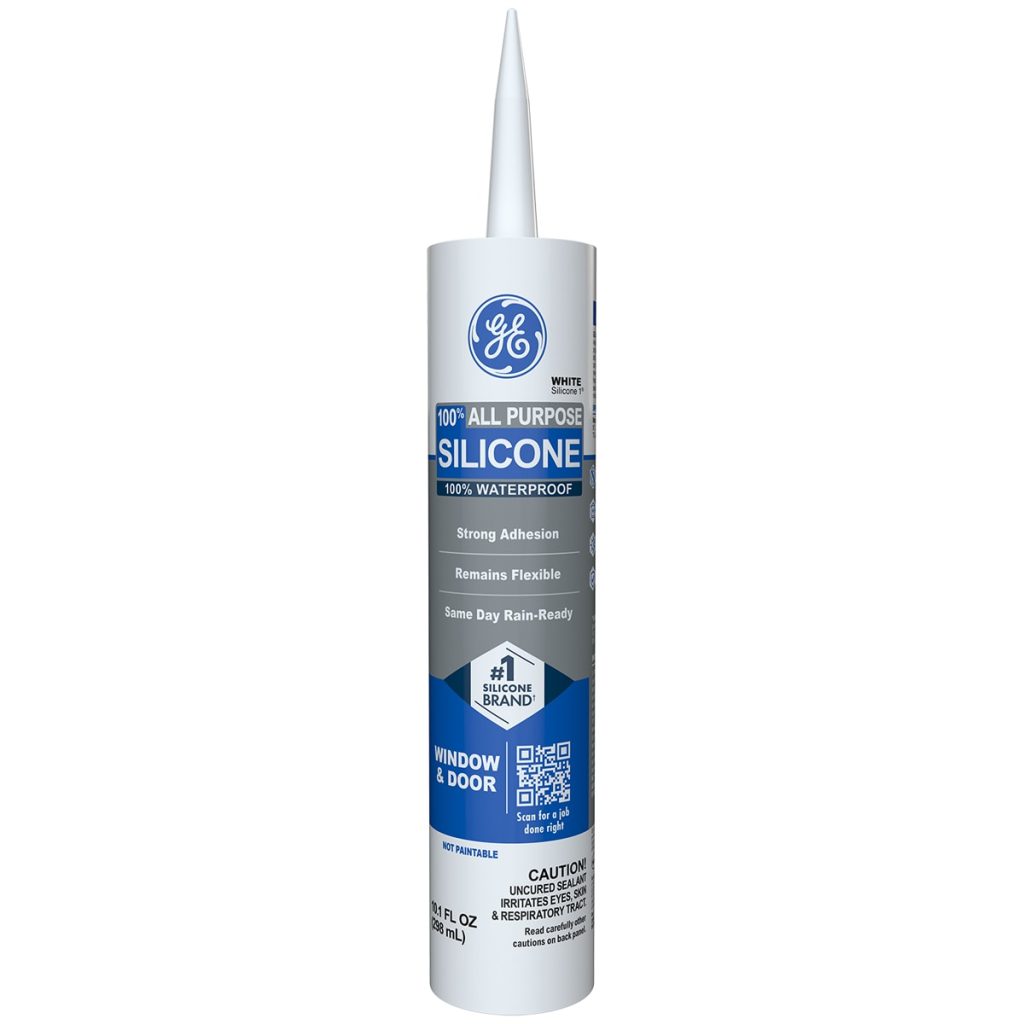
5 Surprising Uses for Silicone in Home Decor
When it comes to home decor, most people think of traditional materials like wood, glass, and fabric. However, silicone has emerged as a surprising yet versatile material that can elevate your interior design. From bold silicone wall art to unique lighting fixtures, this flexible material offers a range of applications that can enhance your space. For instance, silicone can be used to create eye-catching, customizable wall decals that not only brighten up a room but are also removable and easy to clean. Additionally, its waterproof qualities make it a fantastic option for decorative elements in bathrooms and kitchens.
Another innovative use for silicone in home decor is through furniture accessories. Think about silicone coasters that add a pop of color while protecting surfaces, or silicone drawer liners that keep your items organized and in place. Furthermore, silicone can also be found in unique planters that provide excellent drainage and aeration for your plants, ensuring they stay healthy and vibrant. With so many creative possibilities, silicone is quickly becoming a go-to choice for those looking to infuse a modern twist into their home decor.
Counter-Strike is a highly competitive first-person shooter game that has gained immense popularity since its release. Players engage in tactical team-based gameplay, where they can choose to play as terrorists or counter-terrorists. For those looking to enhance their gaming experience, here are the Top 10 airpods max accessories that can elevate your audio while playing.
Is Silicone Safer Than Plastic? The Pros and Cons Explained
Is silicone safer than plastic? This question has gained significant attention as more consumers seek alternatives to traditional plastics. Silicone, made from silicon and oxygen, is often marketed as a safer option due to its durability and heat resistance. Unlike plastic, which can leach harmful chemicals into food and beverages, silicone is generally considered non-toxic and free from harmful substances like BPA and phthalates. Pros of silicone include its ability to withstand extreme temperatures, making it ideal for baking and cooking, and its longevity, as silicone products can last for years without degrading.
However, it's essential to weigh the cons of silicone as well. One significant drawback is that silicone can be more expensive than plastic, which may deter budget-conscious consumers. Additionally, while silicone is durable, it can still attract dirt and grime if not cleaned properly. Moreover, some silicone products may not be recyclable, contributing to environmental concerns similar to those associated with plastic waste. Ultimately, the choice between silicone and plastic should be based on individual needs, preferences, and a thorough understanding of the impact each material may have on health and the environment.
How to Choose the Right Silicone Kitchenware for Your Cooking Needs
Choosing the right silicone kitchenware can significantly enhance your cooking experience. When selecting silicone products, consider the temperature resistance; high-quality silicone can typically withstand temperatures ranging from -40°F to 500°F. It's also essential to evaluate the flexibility and durability of the silicone. Silicone kitchenware should be sturdy enough to hold its shape yet flexible enough to easily release food. Additionally, look for FDA-approved silicone, which ensures safety and quality for your cooking needs.
Another important factor is the design and usability of the silicone kitchenware. Opt for products that have ergonomic handles or are easy to grip, as this can make cooking and baking more enjoyable. If you're often in need of versatility, consider investing in a silicone kitchenware set that includes various items such as baking mats, spatulas, and molds. Finally, check for features like dishwasher and microwave compatibility, as these can save you time and effort in cleaning and preparing meals.