How Blockchain Technology is Revolutionizing Loyalty Programs
The advent of blockchain technology is transforming the landscape of loyalty programs across various industries. Traditional loyalty systems often face challenges such as fraud, lack of interoperability, and limited customer engagement. With blockchain, companies can create secure and transparent loyalty ecosystems that not only enhance customer trust but also allow for seamless interaction between different programs. For instance, by utilizing smart contracts, brands can automate rewards distribution, ensuring that customers receive instant rewards for their interactions, thus fostering deeper relationships.
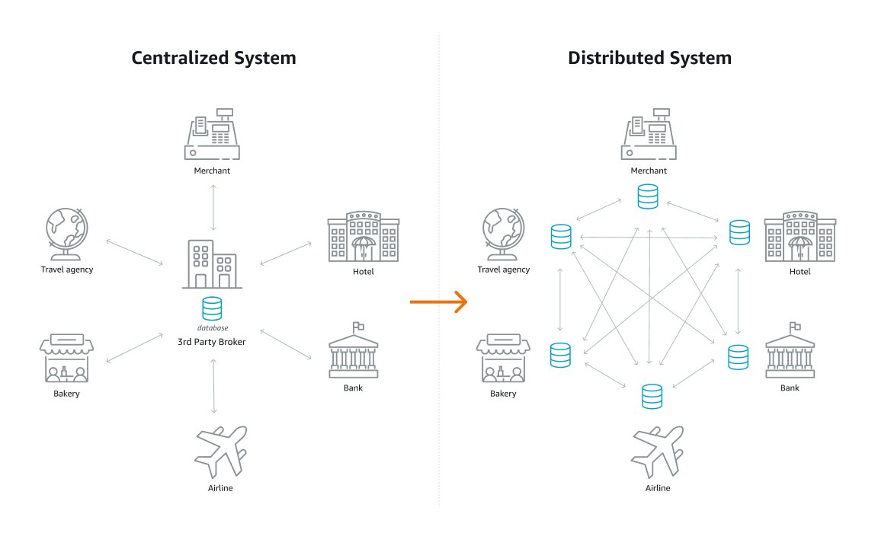
Moreover, blockchain-based loyalty programs can significantly increase flexibility for consumers. Customers can merge points from multiple brands into a single digital wallet, facilitating easy redemption and increasing overall value. This interconnectedness creates new partnerships among businesses, enhancing customer choice. As organizations leverage the decentralized nature of blockchain, they can personalize their offerings while respecting consumer privacy, thus revolutionizing how loyalty programs operate and are perceived in the marketplace.
Counter-Strike is a popular first-person shooter game that pits teams against each other in various game modes. Players must work together to complete objectives, whether it's planting a bomb or rescuing hostages. It's essential to stay updated with the latest strategies and rewards, including the opportunity to use a shuffle promo code for in-game advantages to enhance your gaming experience.
The Benefits of Transparency in Blockchain-based Loyalty Systems
Transparency is one of the most significant advantages of blockchain-based loyalty systems. By utilizing blockchain technology, businesses can provide customers with a clear view of their loyalty points and rewards. Each transaction is recorded on a decentralized ledger that is immutable, which means that customers can trust that their point accumulation and redemption processes are fair and tamper-proof. This level of transparency not only builds trust but also enhances customer engagement, as users feel more confident in participating in loyalty programs knowing that they are secure.
Moreover, the transparency in blockchain-based loyalty systems allows for better accountability across all stakeholders involved. For example, brands can easily track how points are being earned and spent, while customers can see the details of their transactions in real-time. This can lead to improved customer satisfaction and a deeper understanding of customer behavior. In addition, such systems can enable businesses to identify trends and insights into their customer base, ultimately driving tailored marketing strategies that can further boost engagement and loyalty.
What Your Brand Needs to Know About Implementing Blockchain Loyalty Programs
As brands seek innovative ways to enhance customer engagement, implementing blockchain loyalty programs can provide a transformative solution. These programs utilize decentralized technology to create transparent and secure loyalty points systems, offering customers the assurance that their earned rewards are both safe and verifiable. By leveraging blockchain, brands can not only streamline their loyalty operations but also create a sense of trust among their customers, which is vital in today's competitive landscape.
Moreover, blockchain loyalty programs allow for seamless integration with various platforms and can facilitate partnerships across different industries. This interconnectedness means that customers can earn and spend loyalty points across multiple brands, enhancing customer retention and attracting new users. To successfully implement such a program, brands should consider key factors such as user experience, scalability, and compliance with regulations while also communicating the unique benefits of blockchain technology in their marketing efforts.