Understanding the Basics of Wireless Communication: How Signals Transmit Data
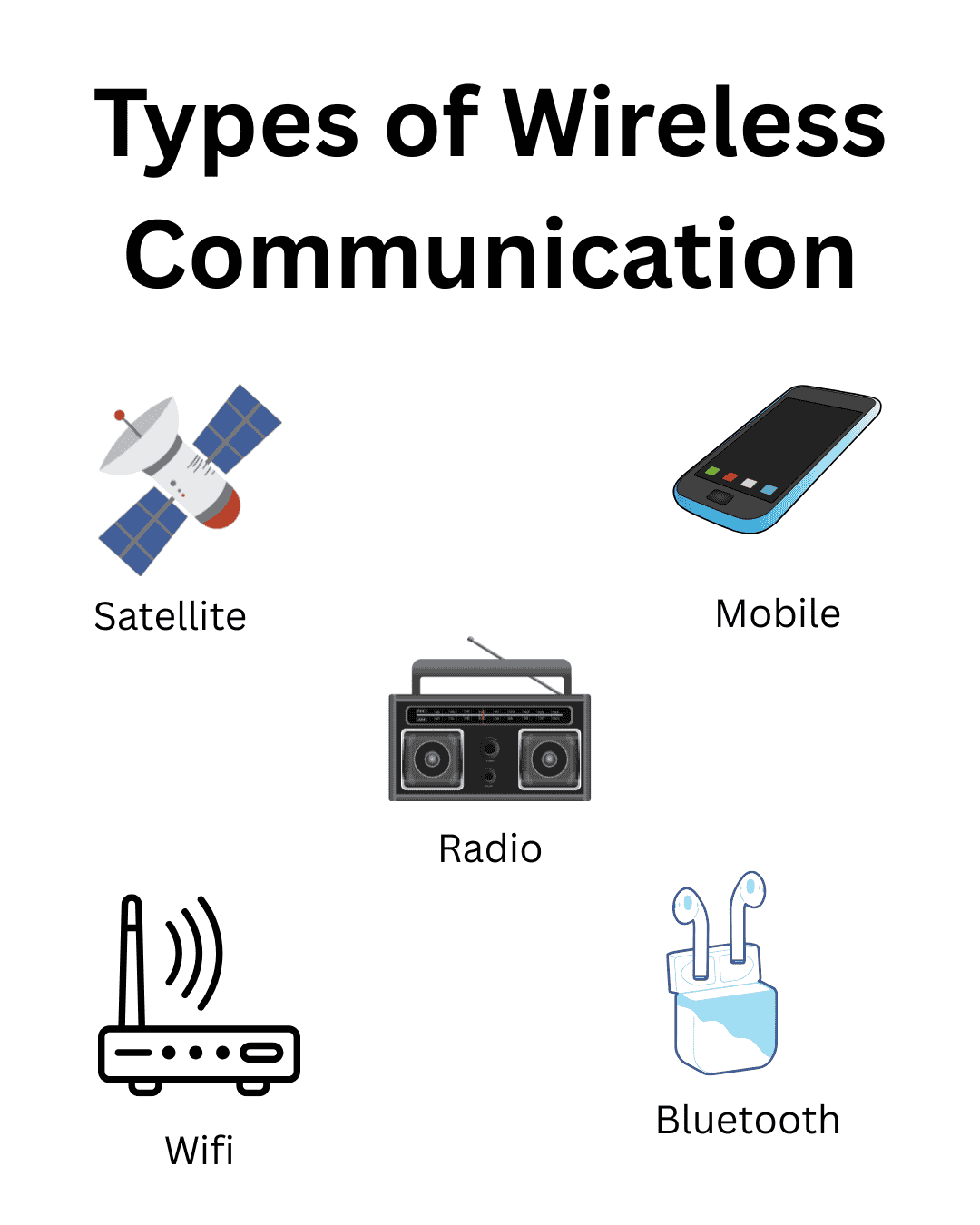
Wireless communication is a technology that enables data transmission without the need for physical connections, using electromagnetic waves to send and receive information. The basic principles of wireless communication rely on the modulation of signals, which involves altering certain properties of a carrier wave—such as its frequency, amplitude, or phase—to encode data. These modulated signals propagate through the air and are picked up by a receiver, where they are demodulated back into their original form. This process allows devices to communicate over various distances, from short-range connections like Wi-Fi to long-range communications like satellite systems.
At the core of wireless communication are several key components that facilitate the transmission of signals. The transmitter sends out the encoded signal, while the receiver decodes it for use. In addition, antennas play an essential role in the process, converting electrical signals into electromagnetic waves and vice versa. To ensure effective communication, protocols are established to govern how data is transmitted and received, enhancing the reliability and security of wireless connections. Understanding these basic elements of wireless communication is crucial for anyone looking to harness its potential in today's technology-driven world.
If you're looking for quality sound on the go, check out the Top 10 Bluetooth Portable Speakers. These speakers combine portability with powerful audio performance, making them perfect for outdoor gatherings, beach trips, or simply enjoying music at home. With various features such as long battery life, waterproof designs, and robust connectivity options, there's a speaker for every need and preference.
The Evolution of Wireless Technology: From Radio Waves to 5G
The journey of wireless technology began in the late 19th century with the discovery of radio waves by Heinrich Hertz. This groundbreaking finding paved the way for Guglielmo Marconi, who successfully transmitted the first radio signals across the Atlantic Ocean in 1901. Early wireless communication relied on amplitude modulation (AM) and frequency modulation (FM), allowing for voice and music transmissions. Over the decades, technological advancements led to the development of wireless telephony and the introduction of various communication protocols, culminating in the establishment of cellular networks in the 1980s.
As we transitioned into the 21st century, the demand for faster and more efficient wireless networks prompted innovation, leading to the emergence of 4G LTE technology around 2010. This innovation revolutionized mobile internet usage, enabling high-speed connectivity for smartphones and IoT devices. Today, we stand on the brink of a new era with the rollout of 5G technology, which promises to enhance wireless communication further by offering ultra-low latency, higher capacity, and significantly faster download speeds. The evolution from radio waves to 5G not only highlights technological advancements but also signifies a fundamental shift in how we connect, communicate, and interact with the world around us.
How Does Wireless Security Work? Protecting Your Signal in the Digital Age
Wireless security plays a crucial role in safeguarding your personal and sensitive information in an era where digital threats are rampant. The primary function of wireless security is to protect data transmitted over Wi-Fi networks, utilizing a combination of encryption methods and protocols to shield the signal from unauthorized access. Commonly used standards such as WEP (Wired Equivalent Privacy), WPA (Wi-Fi Protected Access), and WPA2 implement various levels of encryption, ensuring that even if a hacker attempts to intercept the signal, the information remains unreadable without the proper decryption key.
To further enhance wireless security, it is critical to employ additional protective measures beyond standard encryption protocols. Users should take steps such as regularly updating their router's firmware, disabling broadcasting of their network SSID, and implementing strong, unique passwords that are difficult to guess. Additionally, the use of a VPN (Virtual Private Network) can add an extra layer of security by masking your IP address and encrypting your internet connection. By understanding how wireless security works and actively enforcing these measures, individuals can significantly reduce their vulnerability to cyber threats in the digital age.