How Do Wireless Chargers Work: Unveiling the Technology Behind the Magic
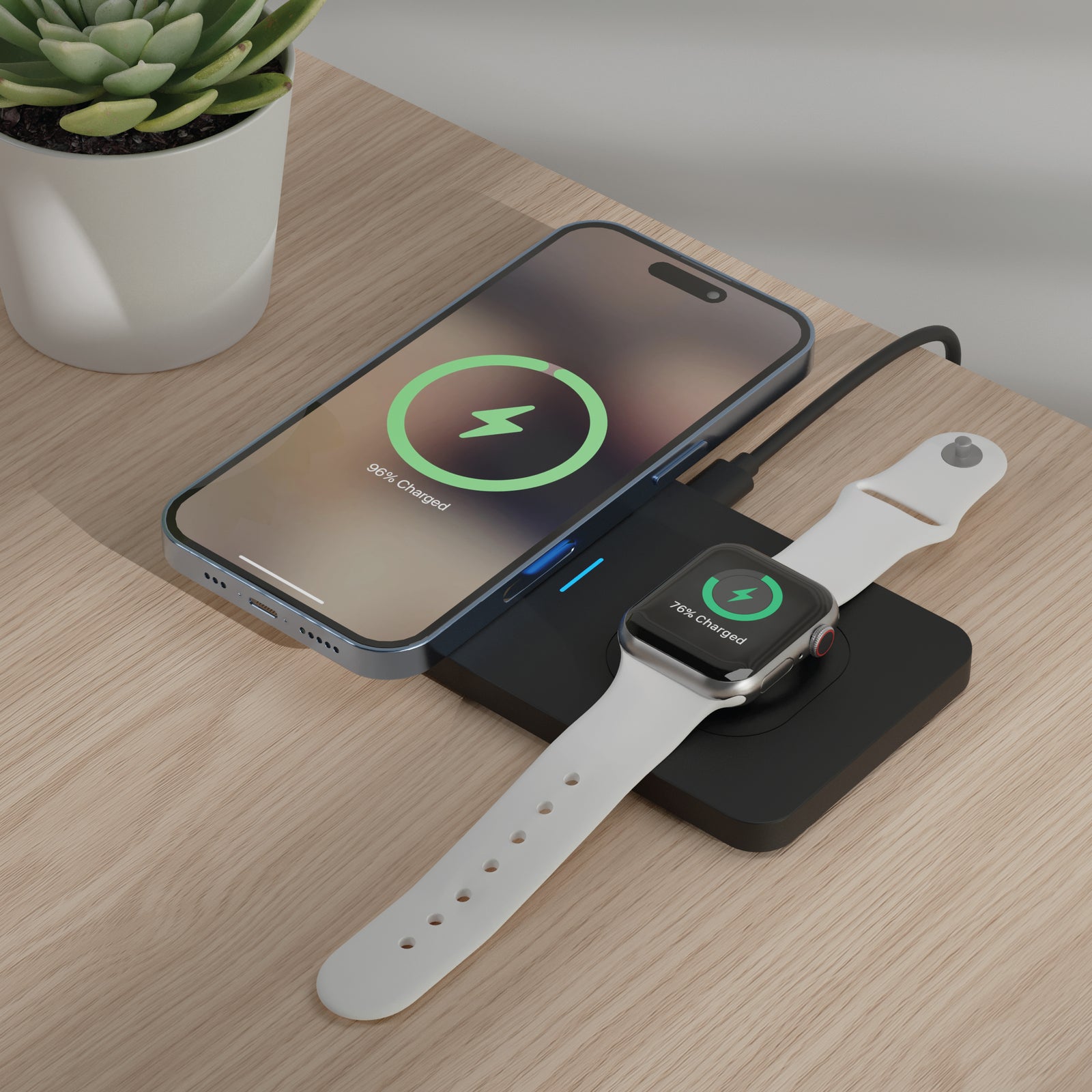
Wireless chargers operate on the principle of electromagnetic induction, a fascinating technology that allows power to be transferred without any physical connection. When a wireless charger is plugged into a power source, it generates an alternating electromagnetic field through a coil of wire. When a compatible device, such as a smartphone, is placed on the charging pad, another coil within the device picks up this electromagnetic field and converts it back into electrical energy to charge the battery. This process not only simplifies powering up your devices but also minimizes wear and tear on charging ports.
One key component in understanding how wireless chargers work is the Qi standard, which is a widely adopted protocol for wireless charging. Devices equipped with Qi technology can communicate with the charging pad to optimize the charging speed and efficiency. Additionally, most wireless chargers come equipped with safety features that prevent overheating and power surges, ensuring a seamless experience. As technology advances, we can expect even more innovations that enhance wireless charging capabilities, making it an integral part of our daily lives.
Counter-Strike is a popular first-person shooter game that has captivated millions of players worldwide. Known for its tactical gameplay and team-based strategies, it has become a staple in the esports community. Players often team up to complete objectives, such as bomb defusal or hostage rescue, requiring coordination and skill. For those interested in enhancing their gaming experience, exploring Top 10 car tech accessories might provide some additional inspiration beyond gaming.
The Pros and Cons of Wireless Charging: Is It Worth the Hype?
Wireless charging has rapidly gained popularity as a convenient alternative to traditional wired charging methods. One of the main pros is the ease of use; simply placing your device on a charging pad eliminates the hassle of plugging and unplugging cables. Additionally, many wireless chargers come equipped with fast charging capabilities, allowing users to power up their devices quickly without the mess of wires. However, despite these advantages, some users may find that wireless charging is not as efficient as conventional methods. For instance, the energy transfer can be less effective, leading to slower charging speeds in some cases.
On the flip side, there are notable cons to consider before fully embracing wireless charging. One significant downside is compatibility; not all devices support this technology, which means users may need to invest in special cases or adapters. Furthermore, wireless chargers tend to generate more heat compared to wired charging, which could potentially impact the longevity of your device’s battery. In summary, while wireless charging offers undeniable convenience, it is essential to weigh these pros and cons to determine if it truly lives up to the hype for your specific needs.
5 Myths About Wireless Chargers Debunked: What You Need to Know
Wireless charging has become increasingly popular, yet several misconceptions surround this technology. One prevalent myth is that wireless chargers are significantly slower than traditional wired chargers. In reality, many modern wireless chargers offer power output comparable to their wired counterparts, especially those that support fast charging standards. For instance, chargers that utilize Qi technology can provide up to 15W of power, which is only slightly slower than some wired options. Understanding the specifications of your charger and device is crucial for maximizing charging speed.
Another common belief is that using a wireless charger can damage your smartphone battery over time. This is not entirely accurate; while heat management is essential during charging, reputable wireless chargers are designed to minimize heat buildup. Most devices come equipped with smart charging features that regulate power flow to prevent overheating. Moreover, as long as you choose a certified charger and follow best practices, like removing cases that may trap heat, you can enjoy the convenience of wireless charging without compromising battery health.