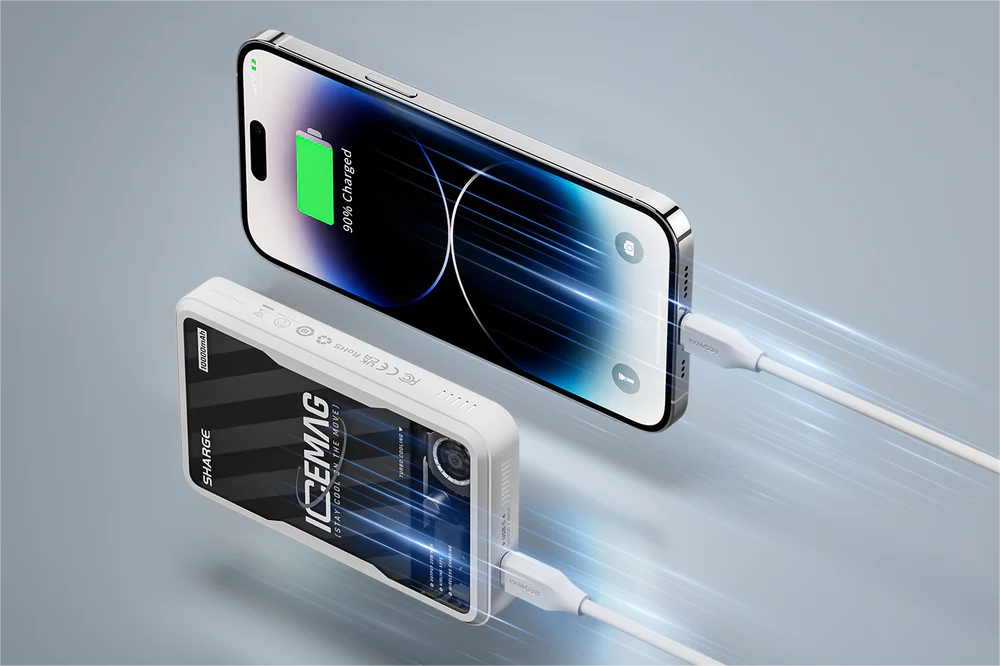
Understanding Fast Charging: How It Works Behind the Scenes
Fast charging has revolutionized the way we power our devices, turning hours of waiting into mere minutes. But how does it actually work behind the scenes? At its core, fast charging utilizes higher voltage and current to rapidly transfer energy into the battery. For example, traditional charging typically operates at around 5 volts, while fast charging can push up to 9 volts or more. This increased voltage, combined with smart technology that adjusts to the battery's needs, allows the charging process to occur at a significantly accelerated rate while maintaining safety and efficiency.
Several technologies power fast charging, including Qualcomm's Quick Charge, USB Power Delivery, and others. Each of these systems involves advanced techniques such as:
- Negotiation Protocols: They communicate between the charger and device to determine optimal charging parameters.
- Temperature Management: Real-time monitoring helps prevent overheating, ensuring battery longevity.
- Dynamic Adjustments: Charging speed is adjusted based on the battery's state of charge, maximizing speed without compromising health.
This intricate balance of technology and communication underpins the efficiency of fast charging in today's devices.
Counter-Strike is a popular first-person shooter game that pits teams of terrorists against counter-terrorists in various game modes. Players must utilize teamwork, strategy, and precision to outmaneuver their opponents and achieve objectives. For gamers looking for a crucial accessory, check out the Top 10 Long Charging Cables to keep your devices powered during intense gaming sessions.
The Science of Fast Charging: Key Technologies Explained
Fast charging technology has revolutionized the way we power our devices, significantly reducing the time spent tethered to chargers. At the core of this innovation are several key technologies, including adaptive charging, Quick Charge, and USB Power Delivery (USB PD). These systems intelligently manage the voltage and current delivered to a device, ensuring optimal charging speeds while maintaining safety. For instance, Quick Charge algorithms dynamically adjust the power level based on battery temperature and charge state, whereas USB PD allows for up to 100 watts of power transfer, enabling rapid charging not only for smartphones but also for laptops and other high-capacity devices.
The science of fast charging relies heavily on the principles of electrochemistry and thermodynamics. To understand how these technologies work, one must consider the importance of lithium-ion batteries, which dominate the market. When a device is plugged in, these batteries undergo a series of complex reactions that release energy efficiently. Modern fast charging systems are designed to minimize heat generation, a crucial factor that can lead to battery degradation. By utilizing methods like smart charging and thermal management, manufacturers ensure that users can enjoy the benefits of fast charging without compromising battery longevity.
Fast Charging vs. Standard Charging: What's the Difference?
Fast charging and standard charging are two essential methods for powering up your electronic devices, but they differ significantly in speed and technology. Fast charging utilizes advanced protocols and higher voltages to deliver power at a much quicker rate, allowing devices to charge significantly faster than traditional methods. For example, while standard charging might take several hours to fully charge a smartphone, fast charging can accomplish this in under an hour, depending on the device and charger capabilities.
On the flip side, standard charging – often referred to as conventional charging – usually operates on a lower voltage, charging devices at a slower, steadier pace. This can be more suitable for longer charging periods, such as overnight, where speed is not a critical factor. It's important to note that while fast charging offers convenience, it can generate more heat, which may affect battery longevity if not managed properly. Therefore, understanding the difference between these two charging methods can help consumers make informed choices about their charging habits and device care.